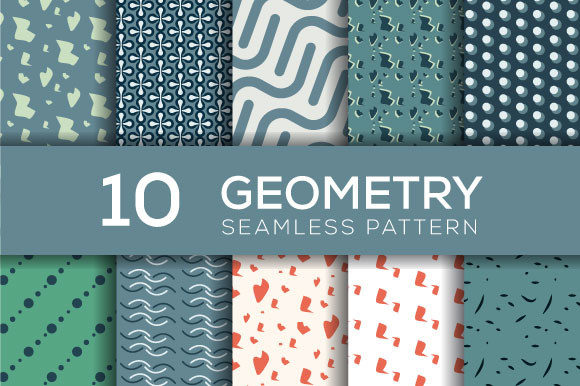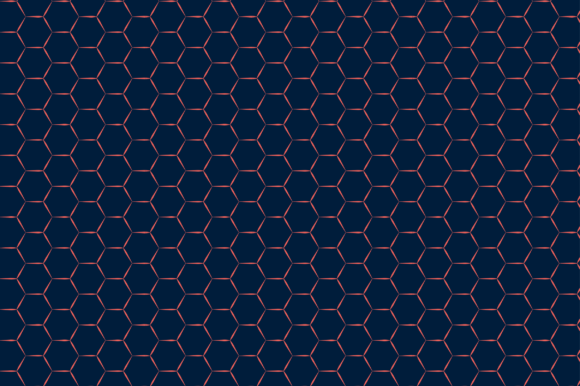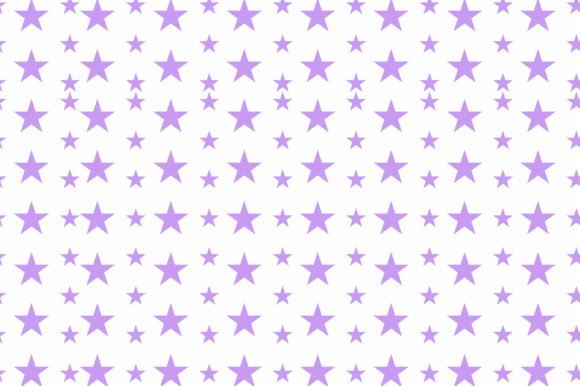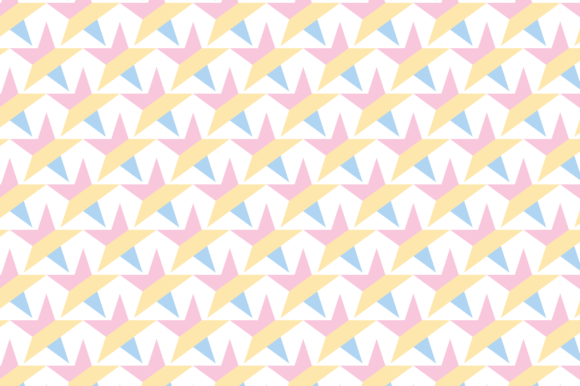
Geometric Art Seamless Patterns Review
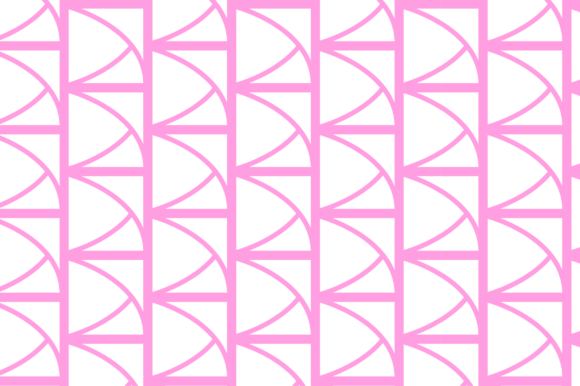
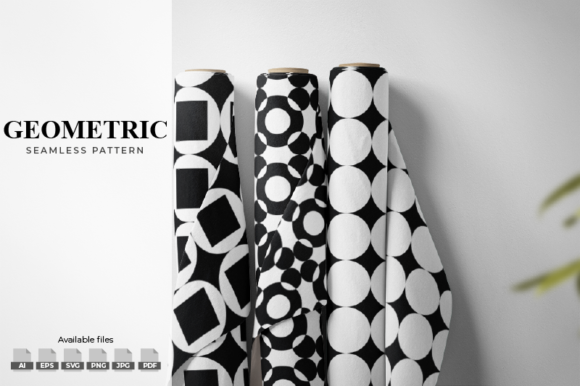
When I first opened the Geometric Art Seamless Patterns file, I wasn't just looking at a grid of shapes; I was visualizing how it would translate from a digital screen into a tangible stitched piece. As someone who spends hours testing designs for client work and my own Etsy shop, my first impression is crucial. These patterns exude a modern, clean energy that feels perfectly suited for contemporary home decor and minimalist apparel. The layout suggests a rhythmic flow that could work beautifully as an all-over print on fabric or a structured background for a custom embroidered patch.
The concept of seamless patterns in embroidery often trips up beginners because the math of repeating tiles doesn't always account for the physical limitations of a hoop. However, this specific set seems designed with versatility in mind. The 12×12 inch size mentioned in the description provides a generous canvas, which is ideal for larger projects like aprons, tote bags, or even wall hangings where you want the design to breathe without feeling cramped. It immediately struck me as a strong candidate for a boutique brand launching a new line of kitchen textiles or nursery items.
From Digital File to Finished Tote Bag
Let's imagine a real-world scenario. You are preparing for a holiday craft fair and need to create a cohesive look for your booth. You decide to embroider a series of canvas tote bags featuring a signature geometric motif. This is where Geometric Art Seamless Patterns shines. Unlike a single, isolated flower or a small logo, these patterns allow you to fill the entire surface area of the bag, creating a rich texture that catches the light as customers move around your table.
Imagine stitching this onto a natural cotton canvas tote. The sharp lines of the geometry contrast nicely with the soft weave of the fabric. If you use high-contrast thread colors—perhaps a deep navy against a cream bag—the pattern pops with a professional finish that elevates the perceived value of the item. It transforms a standard $5 blank tote into a $30 designer accessory. For an Etsy seller, this kind of transformation is everything. It signals quality and attention to detail, encouraging buyers to trust that the handmade product inside is worth the price tag.
However, I also see potential for these graphics on sweatshirts and baby clothes. On a sweatshirt, the pattern could serve as a subtle all-over texture behind a bold central graphic, adding depth without overwhelming the wearer. For baby items, like a bib or a blanket, the clean lines offer a gender-neutral aesthetic that appeals to modern parents looking for stylish nursery decor. The key here is understanding that these aren't just decorative accents; they are foundational elements that can define the entire character of a product.
Where to Use (and Where to Think Twice)
While the visual appeal is undeniable, a seasoned designer knows that beauty must be balanced with technical feasibility. There are specific situations where Geometric Art Seamless Patterns might require extra caution. First, consider the stitch density. Geometric designs often rely on fill stitches to maintain their crisp edges. If the design is too dense, it can make the fabric stiff, which is disastrous for a flexible item like a cap or a fitted t-shirt. Before committing to a large run, you must test the design on scrap fabric to ensure the final hand-feel matches your expectations.
Another critical factor is the hoop size and the nature of the fabric. While the 12×12 inch size is great for flat surfaces, applying this to curved surfaces like caps or rounded pillow corners requires careful planning. The pattern needs to distort slightly to fit the curve, which can break the illusion of a perfect geometric grid if not handled correctly. In such cases, using a smaller section of the pattern or adjusting the placement is often necessary.
Textured fabrics present another challenge. If you are working with a heavy boucle wool or a nubby linen, the fine details of the geometric lines might get lost in the texture of the cloth. Similarly, thin or stretchy fabrics demand a robust stabilizer system. Without proper support, the tension of the fill stitches could pucker the material, ruining the clean look of the design. Dark fabrics also pose a visibility issue; unless you choose very bright or metallic threads, the pattern might lack the pop needed to stand out against a black background.
Design Judgment and Practical Notes
For those of you running a craft business or selling personalized gifts, the decision to use these patterns should go beyond aesthetics. It involves a strategic look at how the design affects your workflow and your customer's experience. When I evaluate a machine embroidery design, I am constantly asking: Will this hold up after washing? Does it convey the right message for the intended audience?
Geometric Art Seamless Patterns generally scores high on professionalism. The precision of the shapes suggests a well-executed embroidery file, which builds trust with buyers who expect high-quality finishes. Whether you are creating a wedding gift, a corporate branded item, or a simple hobby project, the clean lines communicate reliability. However, you must verify the licensing terms before selling finished products. Just because a design is available for Print On Demand POD or digital download does not automatically grant you commercial rights for physical goods.
Here are some essential steps I recommend before you start stitching:
- Test on Scrap Fabric: Always run a test stitch on the same type of fabric you plan to use for the final product. Check how the stitch density interacts with the material.
- Check Thread Contrast: View your design in black and white mockups to ensure the pattern remains distinct regardless of the color palette you choose.
- Review Stabilizer Needs: Determine if your fabric requires cut-away or tear-away stabilizers to prevent distortion during the satin stitch and fill stitch phases.
- Hoop Size Verification: Confirm that your machine's hoop can accommodate the 12×12 inch design or plan how you will reposition the fabric for larger pieces.
- Licensing Confirmation: Read the fine print regarding commercial use, especially if you intend to sell the finished items on platforms like Etsy or at craft fairs.
It is also worth noting that while these patterns are excellent for custom apparel and tote bag design, they might not be the best choice for extremely detailed miniature work. Tiny lettering or intricate corner details can sometimes blur when scaled down too much. If you are aiming for a delicate look on a baby onesie, you might prefer to use a single element from the pattern rather than the full seamless repeat.
Final Thoughts on Visual Impact
In the end, the success of an embroidery project lies in the harmony between the design intent and the execution. Geometric Art Seamless Patterns offers a versatile toolkit for designers who want to create products that feel modern, intentional, and polished. Whether you are a small shop owner looking to expand your inventory of holiday embroidery gifts or a creative entrepreneur building a brand identity, these graphics provide a solid foundation.
The transition from a digital asset to a physical handmade product is where the magic happens. By paying attention to fabric choices, stabilizer types, and thread colors, you can ensure that the final result lives up to the promise of the original design. These patterns are more than just shapes; they are opportunities to add value to your work and engage your customers with a visually compelling story. Just remember to test thoroughly, respect the limitations of your equipment, and let the design guide your creative process. With the right approach, Geometric Art Seamless Patterns can become a staple in your repertoire of design assets.