Halloween Patterns Icon-174: A Designer's Reality Check
As someone who has spent years reviewing embroidery files for everything from boutique apparel to custom nursery decor, I approach every new download with a mix of excitement and skepticism. You never know if a file will translate beautifully from the screen to the fabric until you actually stitch it out. Today, I am putting Halloween Patterns Icon-174 through the wringer. This isn't just about whether the lines are clean; it is about how this design behaves in a real-world scenario when you need to produce high-quality finished products for clients or your own craft business.
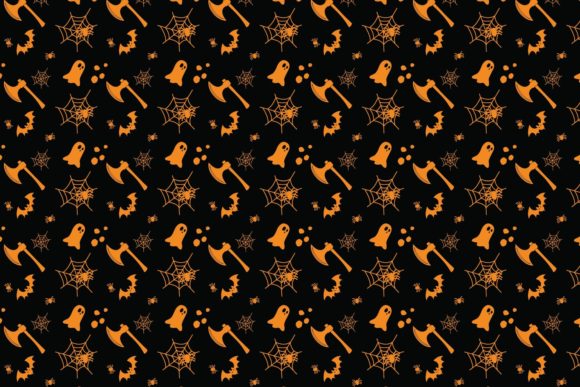
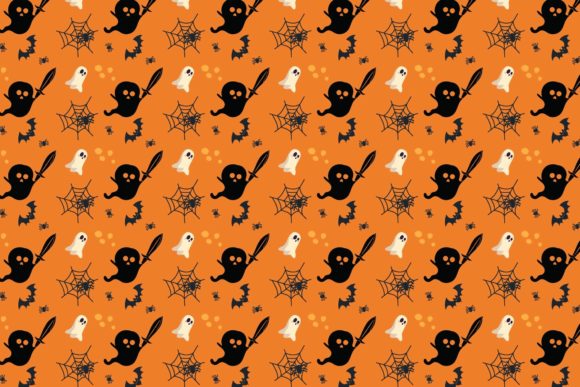
The first thing that strikes me about Halloween Patterns Icon-174 is its versatility as a digital asset. The product description highlights that these are vector files, which means they are openable and editable in programs like Adobe Illustrator and Corel Draw. For an embroidery designer, this is a massive advantage. It allows you to resize without losing quality, ensuring that the visual personality of the icon remains intact whether you are shrinking it down for a baby onesie or scaling it up for a large tote bag. The mood created by this pattern is playful yet distinctively spooky, making it a natural fit for seasonal projects without feeling overly generic.
From Vector File to Finished Product: The Real-World Test
Imagine you are preparing for the fall season. You have a small shop on Etsy and you want to launch a line of custom embroidered tote bags featuring Halloween motifs. You pull up Halloween Patterns Icon-174. Because it is a vector-based graphic, you can easily isolate the elements, adjust the spacing, and prepare the file for digitization or direct use if you are working with modern machines that support vector imports. The potential here is significant for commercial embroidery projects where consistency is key.
However, the transition from a crisp digital image to a stitched reality requires careful planning. When I think about applying this design to a sweatshirt or a patch, I immediately consider the stitch density. If the icon contains intricate details, a high stitch count could make the fabric stiff, especially on thinner materials. For a handmade product like a kitchen towel or a pillow cover, the design needs enough breathing room so the stitches don't bunch up. Halloween Patterns Icon-174 offers a solid foundation, but the final look depends heavily on how you set up the thread colors and stabilizer.
I also had to consider the application for personalized gifts. If a customer orders a cap with this specific icon, the curved surface of the hat presents a unique challenge. While the vector file allows you to manipulate the shape, the physical stitching process must account for the curvature. On a flat surface like a tea towel, the design would likely pop with vibrant contrast. On a dark fabric background, however, you might need to add a layer of underlay or choose lighter thread colors to ensure the details of the pattern remain visible. This is where the ability to edit the file before stitching becomes crucial for maintaining brand consistency and professional presentation.
Where to Use (and Where to Pause)
Not every design fits every project, and knowing where to draw the line is what separates a hobbyist from a pro. Halloween Patterns Icon-174 is excellent for larger areas like aprons, blankets, and decorative accents where the full scope of the pattern can be appreciated. It works particularly well for holiday embroidery projects where the festive theme is the main focus.
Conversely, there are situations where caution is required. If you are working with small hoop sizes, such as those used for cuffs or collars, you must verify that the smallest details in the icon won't get lost in the stitching process. Tiny lettering or fine lines within the pattern might require a reduction in stitch density or a simplification of the design path to avoid thread breaks. Similarly, textured fabrics like terry cloth or heavy denim can hide the definition of the design. In these cases, the smooth lines of the vector file might not translate as sharply as they do on a stable, medium-weight cotton blend.
Stretchy fabrics present another hurdle. Without proper stabilization, the tension of the machine can distort the shape of the icon, leading to a wavy, unprofessional finish. If you are creating merchandise for a small shop, you cannot afford returns due to poor stitching quality. Therefore, testing the design on scrap fabric is non-negotiable. You need to inspect small details, check thread color contrast against your chosen material, and confirm that the hoop size accommodates the design without cutting off edges.
Practical Notes for the Embroidery Designer
Before you commit to a full production run, there are several technical steps you should take to ensure success. First, review the stitch density. High-density fill stitches can cause puckering, especially on lightweight fabrics. If the design feels too dense, consider adjusting the settings or adding more running stitches to break up the mass. Second, always test in black and white mockups. This helps you visualize the value contrast and ensures the design reads clearly regardless of the thread colors you eventually select.
Another critical step is confirming licensing terms. Since Halloween Patterns Icon-174 is sold as a digital product, you need to know exactly what you are allowed to do with it. Can you sell finished items? Can you modify the file for other clients? Confirming these terms protects your creative entrepreneurship and ensures you stay compliant with copyright laws. Also, check whether the design works for both personal and commercial projects, as some licenses restrict one or the other.
When it comes to the actual stitching, the choice of thread colors plays a huge role in the visual appeal. A classic orange and black palette will make the icon feel traditional, while using pastels or metallics could give it a modern twist. The vector nature of the file allows you to experiment with these variations easily. However, remember that different thread brands have different sheens and thicknesses, which can affect the final texture of the satin stitch or fill stitch areas.
Final Thoughts on Value and Usability
In the world of craft business and Etsy selling, time is money. A design that is easy to edit and versatile saves hours of prep work. Halloween Patterns Icon-174 delivers on this front by offering a clean, scalable vector source. It provides a strong starting point for creating everything from custom apparel to boutique branding assets. The ability to resize without losing quality means you can create a cohesive collection of products, from tiny baby embroidery pieces to large home decor items, all sharing the same visual identity.
Ultimately, the success of any embroidery project lies in the execution. While the file itself is robust and user-friendly, the magic happens in the preparation. By taking the time to test on scraps, selecting the right stabilizer, and paying attention to fabric texture, you can turn a simple digital icon into a premium finished product. Whether you are making holiday gifts for family or producing stock for a seasonal sale, Halloween Patterns Icon-174 is a reliable tool in your design arsenal. Just remember to keep your expectations realistic, respect the limitations of the materials, and always prioritize the clarity of the stitching over the sheer volume of thread. With the right approach, this pattern can elevate your handmade products and help you build trust with your customers.