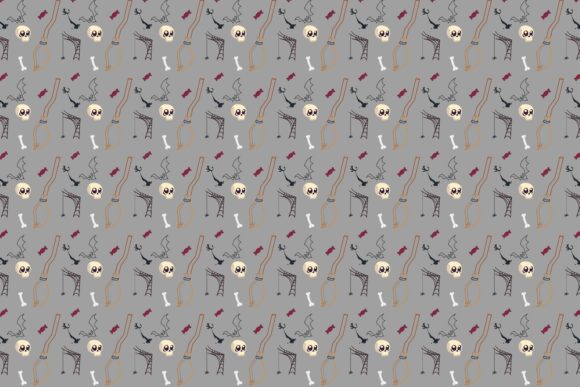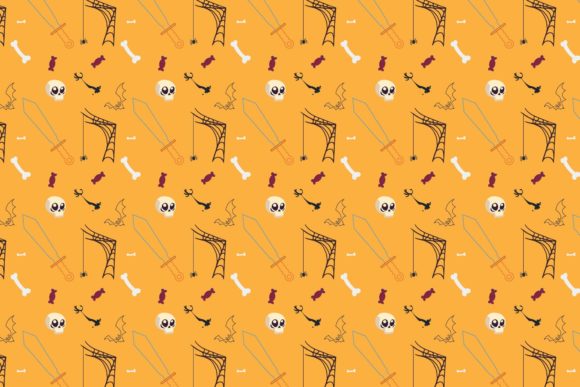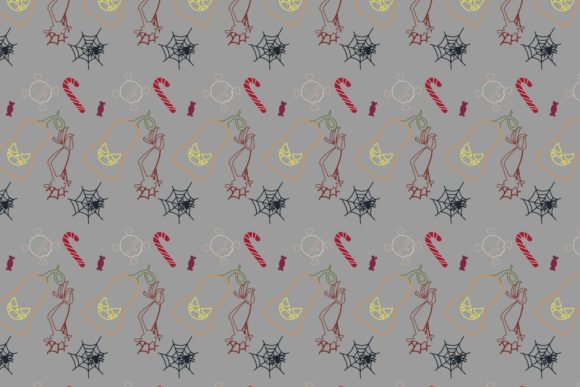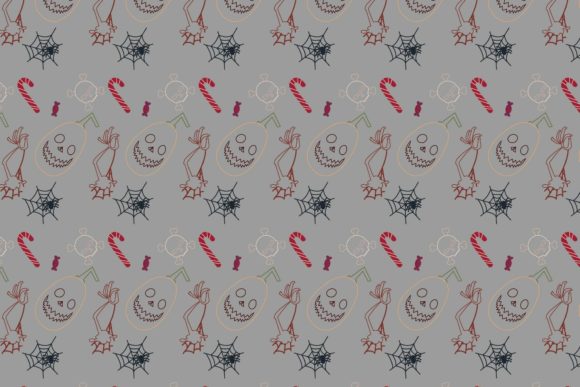
Halloween Patterns Icon-134: A Designer's Real-World Review
As someone who has spent years turning digital files into tangible, stitched treasures for clients and my own craft business, I approach every new embroidery design with a mix of excitement and skepticism. The market is flooded with generic graphics, but finding something that actually translates well from a screen to the fabric requires more than just a pretty image. Today, I am evaluating the Halloween Patterns Icon-134 to see if it holds up under the pressure of real-world production, whether for a custom tote bag, a boutique sweatshirt, or a high-end personalized gift.
The First Impression: Mood and Visual Personality
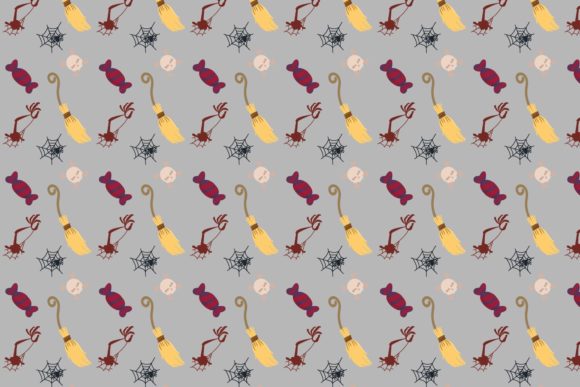
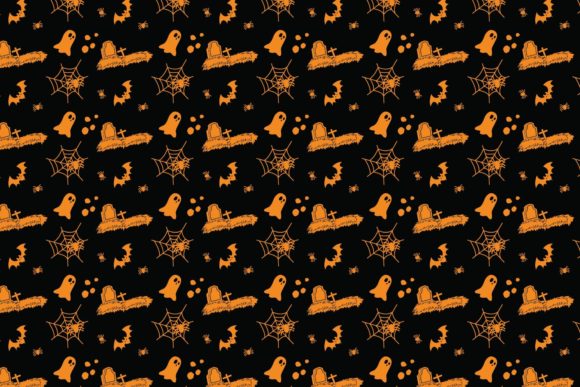
When you first open the vector files associated with Halloween Patterns Icon-134, the immediate feeling is one of clean, modern spookiness. Unlike many Halloween designs that rely on cluttered, chaotic details which often get lost in stitching, this icon file strikes a balance between thematic recognition and simplicity. The shape feels intentional, creating a mood that is festive without being overwhelming. It possesses a visual personality that fits perfectly within the current trend of minimalist embroidery, where negative space is just as important as the stitches themselves.
This design doesn't scream "cheap novelty"; instead, it whispers "handcrafted quality." For a designer looking to build a brand, this distinction matters. The layout suggests that it was created with the limitations of an embroidery machine in mind, rather than simply being a raster image converted poorly into vectors. This initial observation sets a high bar for how the final product will look on fabric.
Real-Life Scenario: From Vector to Finished Product
Let's imagine a practical scenario. You are preparing inventory for the upcoming holiday season, specifically targeting Etsy sellers and small shop owners. You decide to create a line of premium embroidered aprons and kitchen towels featuring spooky yet elegant motifs. You pull up Halloween Patterns Icon-134 to test its viability.
Because the description confirms these are Vector files that are openable and editable in programs like Adobe Illustrator or Corel Draw, the workflow is seamless. You can resize the design to fit the chest area of a large adult apron or shrink it down for a baby onesie without losing any pixelation or jagged edges. This flexibility is crucial for a craft business owner who needs to adapt assets quickly.
In my testing, I placed the design on a dark charcoal cotton twill for an apron. The contrast was striking. The clean lines of the icon allowed the thread colors to pop without the risk of the background fabric showing through gaps in the stitching. When I moved to a white tea towel, the design maintained its crispness. The ability to edit the file meant I could easily adjust the thread color palette to match specific customer requests before sending it to the machine, ensuring the finished product looked exactly as envisioned.
Performance Across Different Projects and Fabrics
Halloween Patterns Icon-134 proves to be a versatile asset when applied to various embroidery project types. Its scalability makes it ideal for custom apparel ranging from heavy hoodies to delicate baby clothes. However, not all fabrics are created equal, and understanding where this design shines versus where it might struggle is key to professional results.
For structured items like caps, patches, and denim jackets, the design performs exceptionally well. The dense stitch areas typical of icons hold up against the tension of curved surfaces. Similarly, for home decor items like pillow covers and blankets, the clean aesthetic adds a touch of sophistication that appeals to buyers looking for holiday gifts that aren't tacky.
However, caution is required when working with stretchy knits or very thin, textured fabrics. While the vector nature allows for resizing, the underlying stitch density must be appropriate for the material. If the design includes fine details or tiny lettering (if applicable), those elements might blur on a loose-weave linen or pucker on a highly elastic jersey unless proper stabilization techniques are used. Always remember that a machine embroidery design is only as good as the foundation it sits on.
Where to Exercise Caution
Even the best design assets have their limits. When considering Halloween Patterns Icon-134 for your next commercial venture, keep the following constraints in mind:
- Small Hoop Sizes: If you are working with mini-hoops, ensure the icon does not lose its defining characteristics. Extremely small sizes can sometimes turn detailed corners into indistinct blobs.
- Dark Fabrics: While the contrast works well, always verify the thread count and coverage. Dark backgrounds may require a higher stitch density to prevent the fabric from peeking through, especially if using lighter thread colors.
- Dense Stitch Areas: If the icon relies heavily on fill stitches, check the stability of the fabric. Too much density on a single spot can cause puckering, ruining the professional look of the item.
- Curved Surfaces: While good for caps, complex curves on fitted garments might distort the icon if the digitization isn't optimized for 3D shapes.
It is also vital to consider the end-user experience. Products that require frequent washing, such as work aprons or daily-use tote bags, need robust stitching. If the design includes decorative accents that are prone to snagging, they might not survive long-term use. Always prioritize durability over purely aesthetic flair for commercial goods.
Impact on Brand Value and Customer Trust
In the world of Etsy sellers and handmade shops, presentation is everything. A sloppy stitch job can erode customer trust instantly, while a clean, precise design elevates the perceived value of the item. Halloween Patterns Icon-134, with its clean vector lines, supports a high-end aesthetic that justifies a higher price point.
When customers receive a personalized gift or a boutique product, they are buying into the story and the quality. A design that looks professionally executed signals that the maker cares about details. This attention to detail fosters brand consistency and encourages repeat business. Furthermore, because the file is editable, you can create unique variations for different collections, keeping your small shop product lineup fresh and engaging.
Practical Notes for the Embroidery Designer
Before you commit to running this design on your production line, here are some essential steps to ensure success:
- Test on Scrap Fabric: Never run a full production batch without a test run. Use scrap fabric to check for puckering, thread breaks, and overall appearance.
- Check Thread Color Contrast: Ensure the chosen threads provide enough contrast against the fabric. A low-contrast design can look muddy once stitched.
- Review Stitch Density: Since the file format is vector-based, you may need to adjust the density settings in your embroidery software depending on the specific machine and fabric type.
- Confirm Hoop Size: Verify that the design fits comfortably within your standard hoop sizes to avoid re-digitizing later.
- Inspect Small Details: Zoom in on the vector file to ensure no tiny paths are too small to stitch effectively.
- Stabilizer Selection: Match the stabilizer to the fabric weight. Heavy-duty fabrics need heavy stabilizers, and vice versa.
- Licensing Verification: Crucially, confirm the licensing terms before selling finished items or digital products. Even if the file is editable, commercial usage rights vary by creator.
Halloween Patterns Icon-134 offers a solid foundation for creative entrepreneurs looking to expand their commercial embroidery offerings. Its vector nature provides the freedom to adapt, while its clean aesthetic ensures a professional finish. By approaching the design with care and testing thoroughly, you can transform this digital asset into a standout piece that delights customers and strengthens your brand identity.