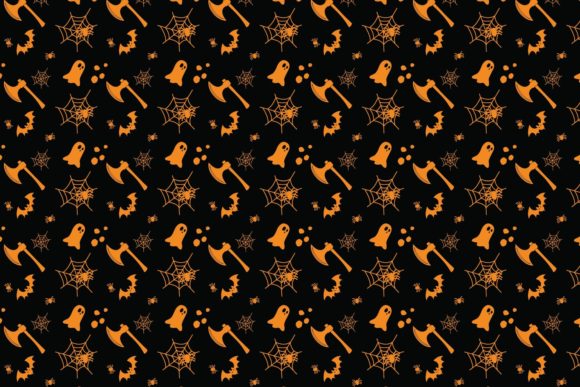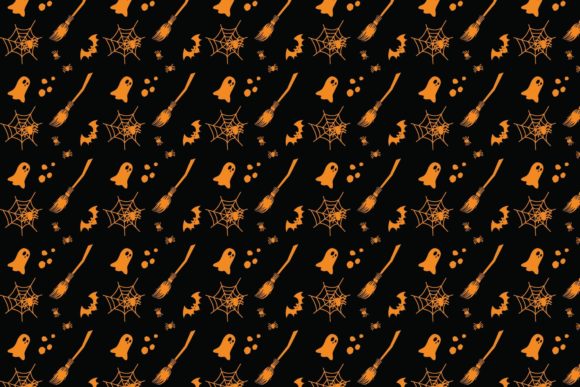
Halloween Patterns Icon-193: A Designer's Reality Check
As someone who has spent years turning digital files into tangible, stitched masterpieces for clients and my own shop, I know that the moment of truth isn't when you download the file. It is when you press the start button on your machine and watch the needle dance. That is why I am reviewing Halloween Patterns Icon-193 not just as a graphic asset, but as a potential workhorse for your next commercial or personal embroidery project.
The product description promises vector files that are openable, editable, and resizable without losing quality in programs like Adobe Illustrator or Corel Draw. While that sounds great on paper, the real question for any embroiderer is whether those clean lines translate into clean stitches. Does the design hold up under tension? Will it look professional on a $25 tote bag sold at a craft fair? Let's dive into how this specific design behaves in the real world.
First Impressions: Mood and Visual Personality
When I first opened the Halloween Patterns Icon-193 file, the immediate feeling was one of playful spookiness. The iconography feels modern rather than retro, which makes it incredibly versatile. It doesn't scream "horror movie"; instead, it whispers "festive fun." This distinction matters immensely if you are targeting families, baby products, or boutique home decor.
The layout is compact yet distinct. In the context of an embroidery design, space is often at a premium. Many Halloween designs get too cluttered with intricate details that vanish once stitched onto fabric. However, Halloween Patterns Icon-193 seems to strike a balance between detail and clarity. It possesses a visual personality that suggests it belongs on items meant to be seen and touched frequently—like a kitchen towel hanging near the sink or a cap worn to a harvest festival.
Because these are vector graphics, the initial shape is crisp. You can immediately visualize how the negative space interacts with the positive shapes. For a designer, this means less guesswork during the digitizing phase (if you are converting it) or better alignment if you are using it as a guide for applique work. It feels ready to be a centerpiece for a collection.
Real-World Application: From Screen to Stitch
I put myself in the shoes of a small business owner preparing for the autumn rush. Imagine you are creating a line of custom embroidered sweatshirts for a local pumpkin patch event. You need something that pops against dark navy or black fabric but doesn't require hours of stitching time.
Halloween Patterns Icon-193 fits this scenario perfectly. Its scalability allows you to place a large version on the chest of a sweatshirt or shrink it down for the cuff of a baby onesie. If you were making a set of matching aprons for a bakery selling holiday treats, this design would add that perfect touch of seasonal flair without overwhelming the garment.
Consider the versatility for different product types:
- Tote Bags: The design works well as a focal point on canvas totes, appealing to shoppers looking for reusable, festive bags.
- Baby Items: On soft cotton or fleece, the clean lines of the icon prevent irritation while adding a cute, thematic element.
- Patches: Since the file is editable, you could easily create a border around the icon to turn it into a sew-on patch for jackets or backpacks.
- Home Decor: Pillow covers and tea towels benefit from this kind of graphic simplicity, making them easy to mass-produce for Etsy listings.
For an Etsy seller or craft fair vendor, the ability to resize without pixelation is a game-changer. It ensures that your mockups look professional and that your final finished product maintains its integrity regardless of the hoop size you choose.
Where Caution Is Key: Limitations and Challenges
Even the best design assets have their limits. As an experienced reviewer, I must highlight where Halloween Patterns Icon-193 might struggle if not handled correctly. Vector perfection does not always equal stitch perfection.
If you attempt to use this design on a curved surface like a baseball cap, pay close attention to the corners. While the vector is sharp, the physical act of stitching on a curve can distort fine details. Similarly, if you plan to use this on thin or stretchy fabrics like jersey knit without proper stabilizer, the design might pucker, ruining the crisp aesthetic you paid for.
Dense stitch areas can also be a concern. If the original vector contains very tight clusters of lines, they may merge together when stitched, especially with certain thread colors. This is particularly risky on dark fabrics where contrast is low. You might find that the design loses definition if the stitch density is too high for the chosen thread weight.
Furthermore, if you are planning to wash the finished product frequently—such as a kitchen towel or a child's outfit—the longevity of the design depends heavily on your technique. Small details in Halloween Patterns Icon-193 might snag if the fabric texture is rough or if the backing isn't secure. Always test the durability before committing to a full production run.
Designing for Value and Customer Trust
In the handmade market, visual appeal directly correlates to perceived value. A sloppy stitch job can make a $40 item feel cheap, whereas a clean, well-executed design commands respect and higher prices. Halloween Patterns Icon-193, when executed properly, elevates the brand consistency of your shop.
Customers trust sellers who present cohesive, professional imagery. If you use this design across your product line—from the main shirt to the packaging tags—it creates a recognizable identity. It signals that you care about the details, which builds buyer engagement and encourages repeat purchases. The "icon" nature of the design makes it instantly recognizable, even from a distance, which is crucial for craft fair displays or social media photos.
However, the design's success relies on your choices regarding thread colors and fabric texture. A bright, vibrant thread choice can make the icon pop, while a muted palette might give it a more sophisticated, vintage feel. Understanding how the design interacts with the material is what separates a hobbyist from a pro.
Practical Notes for the Embroidery Designer
Before you start stitching, there are several critical steps to ensure Halloween Patterns Icon-193 delivers the results you expect. First and foremost, always test the design on scrap fabric that matches your intended project material. This simple step can save you hours of frustration and wasted supplies.
Check your thread color contrast carefully. What looks good on a screen might disappear on a dark background. Review the stitch density; if the file is being converted to a machine format, ensure the fill stitches aren't so dense that they create a stiff, cardboard-like feel. Confirm your hoop size early on to avoid cropping out important elements of the pattern.
Inspect the small details closely. Are there tiny points that might break during trimming? Test the design in black and white mockups to see if the composition holds up without the distraction of color. Use the proper stabilizer for your fabric type; heavy-duty stabilizers are often needed for items like caps or thick denim.
Finally, verify the licensing terms. Just because the file is editable and resizable does not automatically mean you have the right to sell the finished physical goods or distribute the digital file itself. Read the license agreement provided by the creator to confirm whether you can use this for commercial projects, such as selling custom apparel or including it in a bundle for other designers.
By approaching Halloween Patterns Icon-193 with a mix of creativity and technical caution, you can transform a simple vector graphic into a stunning, profitable piece of embroidery art. It is a solid tool for your arsenal, provided you treat it with the respect it deserves.