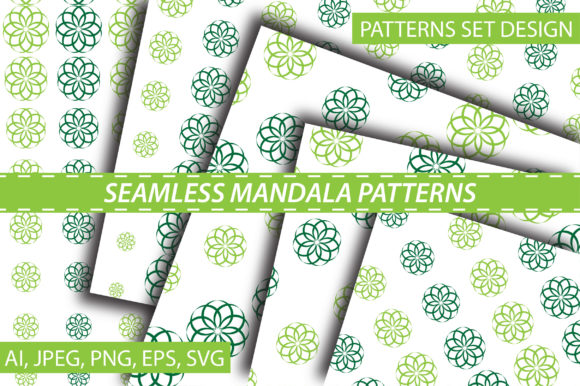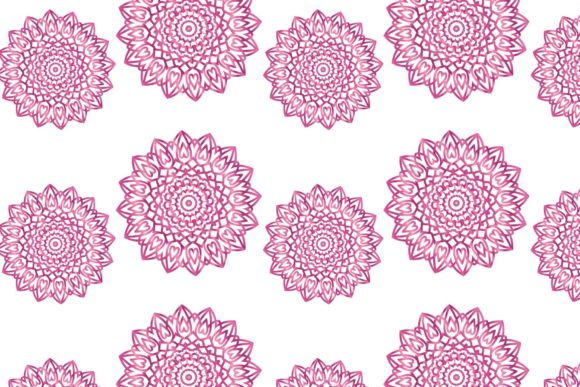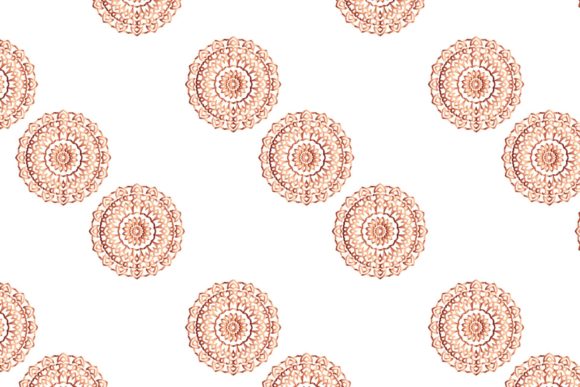
Mandala Design for Patterns Vol.16 Review
When I first opened the folder for Mandala Design for Patterns Vol.16, I wasn't looking for a quick download to fill a gap in my library. As someone who has spent years turning digital files into tangible, stitched products for clients and my own shop, I approach every new asset with a critical eye. I need to know if this design will hold up under the needle, look good on a finished product, and add value to a handmade item rather than just taking up space.
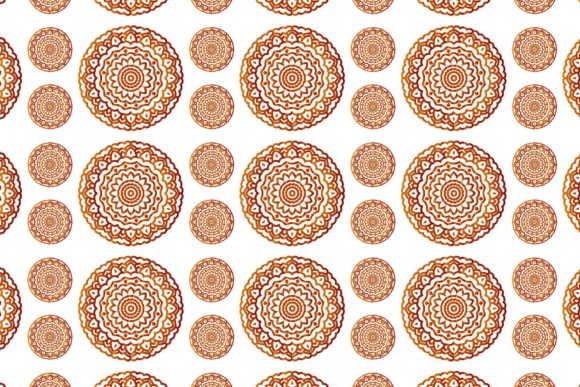
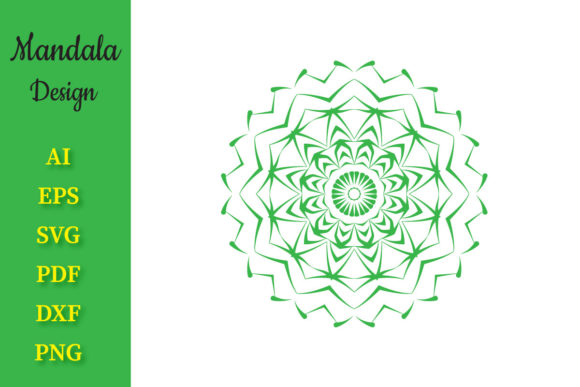
The moment I placed the vector file onto my screen, the mood was clear. This isn't a chaotic burst of abstract lines; it is a structured, symmetrical piece that whispers "balance" and "harmony." The layout feels intentional, designed to be a focal point without overwhelming the garment or accessory it adorns. For an embroidery designer, the initial visual personality of a file is often the biggest indicator of its potential success. Mandala Design for Patterns Vol.16 strikes a chord with that sweet spot between intricate detail and clean geometry, making it a strong candidate for both personal gifts and commercial merchandise.
From Screen to Stitch: A Real-World Scenario
To truly judge any machine embroidery design, you have to imagine it in action. Let's say I am preparing a custom order for a local boutique owner who wants a line of premium kitchen towels featuring elegant, spiritual motifs. She needs something that looks expensive but remains accessible for her customers. I pulled out Mandala Design for Patterns Vol.16 as a test case.
I imagined placing this design on a heavy cotton canvas towel. The symmetry of the mandala works beautifully here because the fabric provides a stable, flat surface that allows the pattern to breathe. Unlike a busy floral print that might get lost on a textured weave, the geometric clarity of this mandala stands out even against a subtle linen texture. I could easily see this becoming a bestseller in an Etsy shop, especially when paired with neutral thread colors like cream, sage, or deep navy.
But what about other projects? I immediately thought of a baby onesie for a nursery gift. The soft curves of the mandala are gentle enough for a child's room decor, yet detailed enough to feel special. If I were to stitch this on a sweatshirt, the design would serve as a striking chest logo or a large back graphic. The key question is whether the file translates well from a digital graphics asset to a physical embroidery project. Since the download includes AI and EPS versions, the pathing is likely clean, which is crucial for converting the vector shapes into stitch density that won't cause puckering.
Navigating Fabric and Hoop Challenges
Not every design fits every surface, and experience teaches us where to draw the line. While Mandala Design for Patterns Vol.16 is versatile, there are specific scenarios where caution is required. If you are working with a small hoop size, such as a 4x4 inch box, you must verify that the outer details of the mandala do not get cut off. Complex mandalas can sometimes expand beyond the intended area if the scaling isn't adjusted correctly during digitization.
Texture is another factor. If you attempt to stitch this on a highly textured fabric like a chunky knit or a rough burlap, the satin stitch areas might struggle to lay flat. The definition of the inner patterns could be lost in the weave of the material. Similarly, stretchy fabrics like jersey require a stabilizer strategy that prevents the design from distorting. Without proper backing, a dense mandala can pull the fabric into a wavy mess, ruining the symmetry that makes the design so appealing.
Dense stitch areas are always a risk point. If the original file contains too many layers of fill stitch packed tightly together, it may create a stiff, cardboard-like feel on the final product. This is particularly important for items that will be washed frequently, like aprons or tote bags. You want the embroidery to remain flexible and comfortable against the skin, not rigid and prone to cracking over time. Always inspect the thread colors you plan to use; high contrast is usually safer for maintaining clarity in detailed designs.
Visual Appeal and Brand Consistency
In the world of Etsy sellers and small business owners, presentation is everything. A well-executed embroidery file elevates the perceived value of a product. When a customer receives a personalized gift or a boutique item, they are buying into the quality of the craftsmanship. Mandala Design for Patterns Vol.16 offers a level of sophistication that suggests a higher price point, helping to build trust with your buyers.
Imagine using this design on a set of matching pillow covers or holiday stockings. The repetition of the pattern creates a cohesive brand identity. It signals that you care about aesthetics and detail. However, if the stitching is sloppy or the density is off, that same professionalism evaporates instantly. That is why testing is non-negotiable. Before listing a custom apparel item or a batch of embroidered patches, run a test on scrap fabric.
This step ensures that the running stitch outlines are crisp and that the applique design elements (if applicable) align perfectly. It also gives you a chance to check how the design looks in black and white mockups, ensuring the silhouette holds up even without color. For a commercial embroidery project, consistency across multiple units is vital. One misaligned stitch on a hundred tote bags can lead to returns and damaged reputation.
Practical Notes for the Designer
Before you commit this file to your production line, there are a few technical checks you should perform. First, confirm the hoop size requirements. The product description mentions it is ready for various projects, but the actual dimensions matter. Ensure your machine can accommodate the full width and height of the design without cropping essential details.
Check the file formats provided. Since the package includes Adobe Illustrator CS/CC versions, you have the flexibility to adjust the design before converting it to your machine's native format. Use this opportunity to tweak the stitch density if the default settings seem too heavy for your preferred fabric. Also, review the licensing terms carefully. Even though this is listed under Freebies, some assets restrict commercial use or limit the number of items you can sell. Confirming these details protects your craft business from legal issues down the road.
Finally, consider the end-user experience. Will the finished product be easy to care for? Dense embroidery often requires hand washing or delicate cycles. If you are selling to parents for baby embroidery items, ensure the back of the design doesn't leave rough threads that could irritate sensitive skin. Proper trimming and finishing make all the difference in a finished product that feels professional and polished.
Mandala Design for Patterns Vol.16 brings a sense of calm and structure to your portfolio. It is a tool that, when used with care and attention to detail, can transform simple materials into cherished keepsakes. Whether you are creating a unique holiday gift or expanding your digital product seller inventory, this design offers a solid foundation for creative expression. Just remember: the magic lies not just in the file itself, but in how you bring it to life through thoughtful execution.