Mandala Indian Ornament Patterns: A Review for Graphics and Patterns Sellers
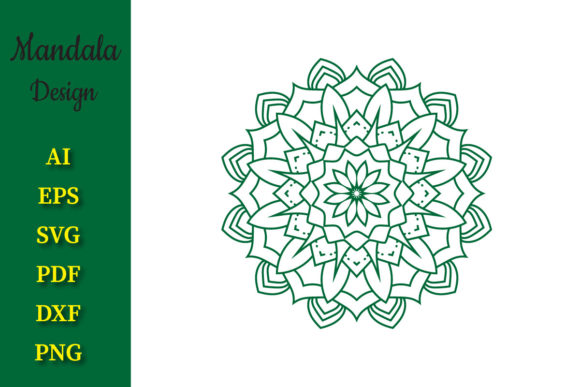
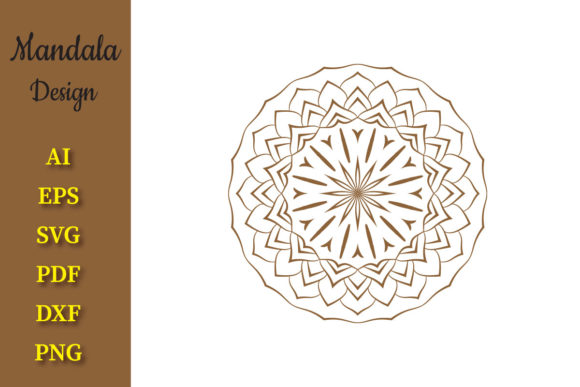
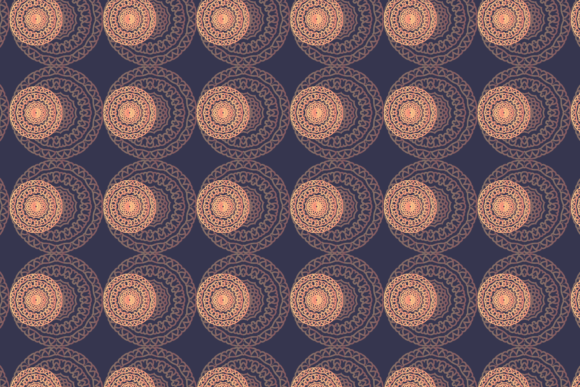
When I first opened the Mandala Indian Ornament Patterns folder, I wasn't just looking at a pretty image; I was evaluating a potential revenue stream. As someone who spends hours curating assets for my own Etsy shop and print-on-demand stores, my initial reaction to this Mandala Design -WHAT YOU GET- 5x Digital Files in total 1920px X 1280px Canvas Size Receive this design in the following formats – AI File – EPS File – SVG File – JPG File – PNG File Easy to edit and package was one of cautious optimism. The visual personality here is distinctively elegant yet versatile. It doesn't scream "trendy" in a fleeting way but rather whispers "timeless," which is exactly what buyers are hunting for when they want to create premium merchandise or sophisticated digital downloads.
The mood of these graphics feels deeply rooted in tradition but modernized enough for today's marketplace. It appeals to an audience that values cultural aesthetics, bohemian style, and spiritual themes. If you are building a collection for a niche focused on wellness, yoga, or ethnic fashion, this asset fits seamlessly into that brand identity. However, before I committed to using it in a live listing, I had to ask myself if it could stand out in a crowded creative marketplace. Does it have the visual hierarchy needed to catch a shopper's eye in a thumbnail? My answer was yes, provided it is presented correctly.
Real-World Application for Sellers and Creators
Let's imagine a scenario where I am preparing a new seasonal collection for my online store. I need products that can be sold across multiple platforms, from Etsy product listings to print-on-demand sites like Redbubble or Printful. This graphic design asset offers a unique advantage because of its file variety. Receiving the design in AI, EPS, SVG, JPG, and PNG formats means I don't have to hunt for different versions for different use cases.
For my Cricut project line, the SVG design is the most critical component. I tested the cut quality by importing it into Silhouette Studio, and the lines were clean, making it perfect for creating vinyl decals, tumbler wraps, and intricate sticker designs. The PNG design with transparency is equally vital for sublimation design. I immediately envisioned placing this pattern on ceramic mugs, tote bags, and throw pillows. The resolution is high enough that when printed, the details remain sharp, avoiding the pixelation that often ruins a product mockup.
Beyond physical goods, this digital product has immense value for digital creators. I could easily incorporate these patterns into Canva template bundles for wedding invitations, planner stickers, or social media graphics. The 1920px x 1280px canvas size is ideal for creating printable wall art or digital paper packs for scrapbooking kits. By offering a bundle that includes both the vector source files and the raster images, I can provide a comprehensive solution for customers who want to create their own commercial design projects.
Strategic Product Presentation and Mockups
Selling online is largely about visual storytelling. How a Mandala Indian Ornament Patterns design looks in a mockup determines whether a customer clicks "Add to Cart." I found that this asset works best in large product previews where the intricate details of the ornament can breathe. When used as a background for a planner sticker sheet, it adds depth without overwhelming the functional elements.
To maximize perceived value, I would pair this illustration with specific font styles. For a boutique feel, pairing the mandala with a flowing script font creates a romantic vibe suitable for bridal showers or baby shower invitations. Conversely, using a bold display font over the pattern could work well for t-shirt graphics targeting a boho-chic audience. The key is maintaining contrast. I made sure to test the design on both white and dark backgrounds to ensure the colors pop. On a dark background, the lighter elements of the mandala stood out beautifully, whereas on white, the darker lines provided a strong anchor.
This asset also supports small business branding effectively. If a client wants to create packaging design for their handmade soaps or candles, this pattern provides a cohesive look that elevates the unboxing experience. By using consistent visual language across social media graphics, blog headers, and product labels, sellers can build trust and recognition. The Mandala Design acts as a visual anchor that ties the entire collection together.
Where to Use Caution and Avoid Pitfalls
While this is a robust asset, no single design is a magic bullet for every situation. There are specific scenarios where I would advise against using Mandala Indian Ornament Patterns without modification. For instance, if you are creating tiny sticker design elements for a phone case, the complexity of the mandala might get lost. At small scales, the fine lines can blur, leading to a muddy appearance. In these cases, simplifying the design or using it as a border rather than the central focus is a smarter strategy.
Similarly, for Cricut or Silhouette projects involving text-heavy templates, the intricate nature of the mandala can compete with typography. If the goal is to create a quote-based poster, the pattern should serve as a subtle backdrop rather than the main event. Overcrowding the layout can confuse the viewer and reduce the overall impact of the message. Additionally, when preparing files for low-resolution print products, always double-check the DPI. While the source files are high quality, resizing them too much down can result in jagged edges.
Another consideration is the color palette. If your target market prefers minimalism, the ornate nature of this pattern might feel too busy. It is best suited for customers who appreciate decorative, detailed, and festive aesthetics. For a rustic or industrial brand identity, this might clash unless carefully muted or desaturated.
Practical Seller Notes for Launching
Before publishing a listing, I recommend running a few practical tests. First, generate a product mockup that mimics exactly how the item will appear on a shelf or screen. Does the Mandala Indian Ornament Patterns design look professional? Second, verify the PNG transparency by placing it over a checkered background to ensure there are no halos or white boxes around the edges. Third, inspect the SVG cut quality to ensure there are no stray points that could cause cutting errors.
Organization is key for customer satisfaction. Since the package includes five different formats, make sure to organize them clearly in your download folder. Label the files intuitively so that users know which one to open for printing versus which one to use for cutting. Finally, confirm your commercial license terms. Ensure you understand what you can sell (finished physical products vs. reselling the digital files) to avoid legal issues down the road.
In conclusion, Mandala Indian Ornament Patterns is a valuable addition to any design bundle. It bridges the gap between traditional art and modern digital commerce. Whether you are a seasoned designer or a beginner looking to launch a handmade business, this asset provides the foundation for creating high-quality, sellable products. By understanding its strengths and limitations, you can leverage this visual asset to build a more professional and profitable online presence.