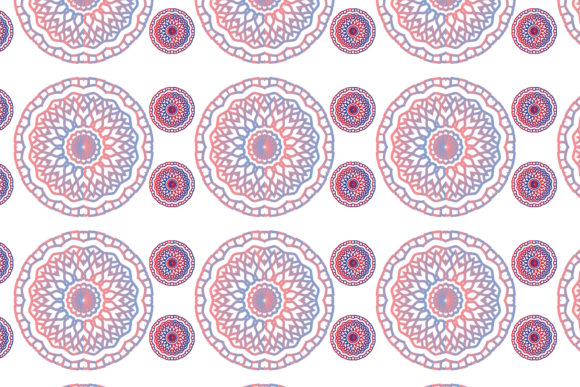
Reviewing Background Mandala Patterns Style for Real Embroidery Work
As a designer who has spent years stitching, digitizing, and reviewing embroidery files for both personal hobbies and commercial clients, I know that the difference between a good design and a great one often comes down to how it translates from screen to fabric. Today, I am putting Background Mandala Patterns Style through its paces to see if it holds up in real-world projects. This isn't just about looking at a pretty image; it is about understanding how the lines, shapes, and negative space will behave under the needle of an embroidery machine.
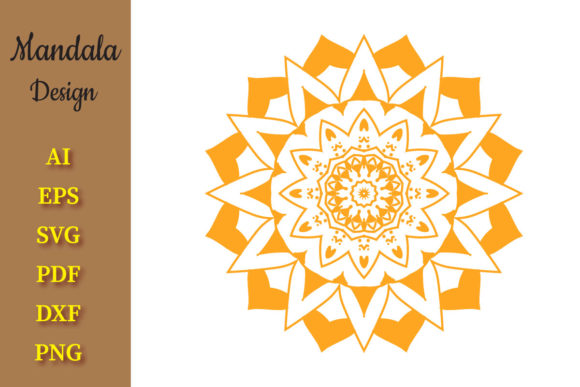
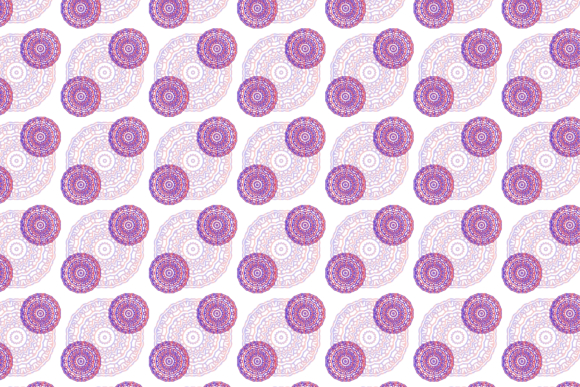
When you first open the file set for Background Mandala Patterns Style, the immediate impression is one of structured elegance. The mandala theme offers a timeless appeal that works well across various demographics, but the "background" aspect of this specific design is what catches my eye. It suggests versatility. Unlike a central focal point meant to stand alone, this pattern feels designed to fill space, frame text, or create a rich texture behind other elements. For a small business owner or Etsy seller, this kind of asset is gold because it allows for endless customization without overwhelming the final product.
From Digital Canvas to Finished Product: A Real-World Scenario
To truly understand the value of this design, let's imagine a practical scenario. Suppose you are preparing inventory for a holiday market or launching a new line of boutique gifts. You decide to create a custom embroidered tote bag featuring a seasonal message with a decorative backdrop. This is where Background Mandala Patterns Style shines. Instead of using a generic floral border, you utilize this mandala pattern to create a sophisticated, textured background that elevates the perceived value of the bag.
Imagine stitching this onto a heavy canvas tote or a soft cotton apron. The geometric precision of the mandala provides a sense of order and calm, which customers often associate with high-quality handmade goods. When the customer receives the item, they notice the depth created by the pattern. It transforms a simple utility item into a statement piece. Whether you are working on sweatshirt embroidery for a local team, baby embroidery for a nursery gift, or creating an embroidered patch for a denim jacket, the symmetry of this design ensures that it looks intentional and professional, not like a random clipart placed on a garment.
Performance on Different Fabrics and Garments
The true test of any embroidery file lies in its adaptability. Background Mandala Patterns Style is versatile enough to handle a wide range of materials, but it requires strategic placement. On stable fabrics like denim, twill, or tightly woven cotton, the design should stitch out cleanly, providing excellent coverage. The fill stitches within the mandala sections will likely create a dense, luxurious feel that adds weight and durability to the finished product.
However, we must be realistic about where this design fits best. If you are planning to use this on stretchy knits or very thin fabrics, you need to be cautious. Without proper stabilizer, the tension required to pull the threads tight for a solid fill stitch can cause puckering, ruining the crisp geometry of the mandala. Similarly, while the design is beautiful, applying it to curved surfaces like caps or fitted hats requires careful hooping. The flat nature of the pattern might distort slightly if the curve is too aggressive, so testing on scrap material is essential before committing to your final merchandise.
Navigating Technical Challenges
One of the most critical aspects of using a background pattern is managing stitch density. Because Background Mandala Patterns Style covers a significant area, the total number of stitches can add up quickly. If you are working with a small hoop size, you may need to split the design or adjust the scale. A design that looks perfect on a 4x4 hoop might become cluttered if shrunk down too much for a baby onesie or a small pocket detail. In those cases, the fine details of the mandala could get lost, turning into a muddy blob rather than a distinct pattern.
Furthermore, thread color contrast plays a massive role in visual appeal. On dark fabric, a light-colored mandala will pop, creating a striking contrast that draws the eye. On light fabric, a darker thread offers a more subtle, elegant look. If you are creating personalized gifts, consider how the thread colors interact with the fabric texture. A shiny satin stitch might reflect light differently on a silk pillow cover compared to a matte kitchen towel, altering the mood of the piece entirely.
Strategic Considerations for Commercial Use
For those of you running a craft business or selling digital product previews, the clarity of the design assets matters immensely. The ability to edit the AI, EPS, SVG, JPG, and PNG files provided in this set gives you the flexibility to tweak the layout for different mockups. You can isolate sections of the mandala to create smaller accents or use the full pattern as a backdrop for branding on packaging.
When listing these items on platforms like Etsy, high-quality images are non-negotiable. Using the vector files to create sharp printable mockups allows potential buyers to visualize the Background Mandala Patterns Style on their own products. However, remember that a digital preview cannot fully convey the tactile experience of the embroidery. Customers trust handmade sellers who show close-up shots of the stitch work. Therefore, when you produce your finished product, ensure the stitch density is consistent and there are no loose threads or gaps in the fill areas.
There are also specific scenarios where caution is advised. If you are designing for frequent washing, such as children's clothes or workwear, ensure the design is anchored properly. Dense stitch areas can sometimes trap lint or wear down faster if the underlying fabric is prone to abrasion. Additionally, avoid placing intricate background patterns right next to tiny lettering, as the two elements can compete for attention, making the text hard to read. The goal is harmony, not competition.
Essential Designer Notes Before You Start
Before you hit the start button on your machine, take a moment to review your workflow. Always test the design on scrap fabric first to check thread color contrast and confirm hoop size compatibility. Inspect the small details to ensure they aren't too fine for your specific machine needle. Reviewing the stitch density is crucial; if the design is too dense, it may require a lower thread count or a change in the fill angle to prevent bulkiness.
If you plan to sell finished items or digital products, double-check the licensing terms associated with the file. While the design offers five formats for easy editing, commercial rights vary by creator. Confirm whether you are allowed to use Background Mandala Patterns Style for unlimited commercial projects or if there are restrictions on the number of units produced. This step protects your brand consistency and prevents legal issues down the road.
Ultimately, Background Mandala Patterns Style is a strong candidate for anyone looking to add a touch of intricate beauty to their embroidery projects. Whether you are creating a unique holiday gift, expanding your boutique product line, or simply exploring new design assets for your creative studio, this pattern offers a solid foundation. By paying attention to fabric choice, stabilization, and thread selection, you can transform this digital file into a stunning finished product that your customers will love.