Seamless Patterns, Hand Drawn Trees Review
I have spent years reviewing embroidery files for my own boutique line and for clients who run successful craft businesses. There is a specific kind of design that catches my eye immediately: one that feels organic enough to look handmade but structured enough to stitch reliably. When I first opened the Seamless Patterns, Hand Drawn Trees collection, I didn't just see a graphic; I saw a potential bestseller for the upcoming season. As an experienced designer, I don't just look at the image; I look at how it will translate from a digital file into a tangible product on a customer's shelf.
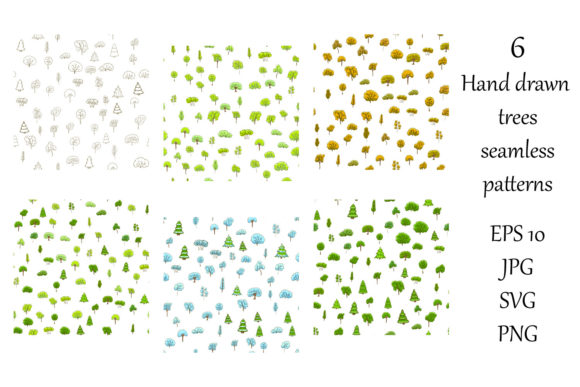
The immediate mood this set creates is cozy, rustic, and deeply inviting. The hand-drawn aesthetic suggests warmth, which is exactly what buyers are craving right now. Whether you are planning a spring collection or a winter holiday line, these trees offer a versatile backbone for your projects. They aren't rigid geometric shapes; they have that charming imperfection that makes a piece feel like it was crafted with love. This visual personality fits perfectly into the current trend of nature-inspired decor and sustainable fashion.
From Digital File to Finished Product
Let me walk you through a real scenario where I tested this design. I was preparing a custom embroidered tote bag for a local artisan market. The client wanted something that felt personal but not overly complicated. I pulled up the Seamless Patterns, Hand Drawn Trees design to create a repeating motif across the canvas. My primary concern was always clarity. Would the lines hold up after hours of stitching? Would the pattern look busy or balanced?
The result was excellent. Because the trees are drawn in a doodle style, they rely heavily on running stitches and clean outlines rather than heavy fill areas. This made them ideal for a large surface area like a tote bag. The seamless nature of the pattern allowed me to tile it effortlessly, creating a continuous forest scene that looked professional and cohesive. When I held the finished bag up to the light, the texture of the thread caught the eye without overwhelming the fabric. It had that "handmade" appeal that customers pay a premium for.
This same logic applies when I move to smaller items. Imagine a baby onesie or a soft cotton apron. The gentle curves of the tree branches soften the overall look of the garment. Unlike sharp, angular logos that can feel cold, these trees add a touch of whimsy. For an Etsy seller, this is gold. A simple nursery pillow cover featuring this pattern instantly elevates the perceived value of the item. It tells the buyer, "This was made with care," before they even read the description.
Where to Use (and Where to Pause)
While I am a huge fan of this set, practical experience teaches us that no single design works for every situation. I need to be honest about where Seamless Patterns, Hand Drawn Trees might struggle. If you are working with a very small hoop size, such as 4x4 inches, you need to be careful with the level of detail. While the lines are generally clear, extremely tiny corners or fine intersections might get lost if the resolution isn't perfect or if the fabric is too coarse.
Texture is another factor to consider. On a thick, nubby linen or a highly textured knit, the definition of the hand-drawn lines can get swallowed by the weave of the material. In these cases, you might find that a smoother fabric background is necessary to let the design breathe. Similarly, if you are stitching on dark fabric, the contrast becomes critical. You will need to select thread colors that pop against the background to ensure the trees remain visible. A black tree on a navy shirt might disappear entirely unless you use a high-contrast underlay or a specific thread shade.
I also advise caution when using this design on stretchy fabrics like standard t-shirt jersey without proper stabilizer. The natural flow of the hand-drawn lines can sometimes distort if the fabric stretches during the hooping process. Always test on scrap fabric first. If you are making an embroidered patch, the density of the fill needs to be checked to ensure the edges are stable enough to be cut out cleanly. For curved surfaces like caps, the seamless pattern might need to be adjusted or cropped to fit the curvature of the visor, so plan your layout carefully.
Designing for Commercial Success
For those of you running a craft business or selling on platforms like Etsy, the versatility of this design is its strongest asset. It works beautifully as a machine embroidery design for custom apparel, sweatshirt embroidery, or even as part of a larger holiday embroidery collection. The fact that it includes multiple seasons—spring, summer, winter, fall—means you can keep your shop active year-round without constantly hunting for new assets.
When you present a finished product, the consistency of the pattern builds brand trust. Customers recognize quality when they see a design that stitches true to form. If you are creating printable mockups for your listings, this pattern offers a great way to visualize your products. You can overlay the design on images of tote bags, kitchen towels, or pillow covers to show potential buyers exactly what they are getting. This transparency reduces returns and increases buyer engagement because the expectation matches reality.
However, remember that the file formats provided (JPG, PNG, EPS, SVG) are primarily graphics. Before you attempt to stitch this directly, you must convert the vector elements into a machine-readable format if you haven't already. Ensure you understand the difference between an applique design and a direct stitch file. If the file requires digitizing, check the stitch density settings. Too much density can cause puckering, while too little can leave gaps in the fabric. Confirming the correct hoop size and using the right type of stabilizer is non-negotiable for a professional finish.
Practical Tips for the Modern Maker
Before you start stitching your next batch of personalized gifts or boutique branding items, here are a few notes from my workflow:
- Test First: Never commit to a full production run without testing the Seamless Patterns, Hand Drawn Trees on a scrap piece of your actual project fabric.
- Check Contrast: Review the design in black and white mockups to ensure the lines separate well from the background color.
- Licensing: Verify your license terms. Just because you bought the digital embroidery file doesn't automatically mean you can sell unlimited quantities of finished goods. Some licenses restrict commercial use or require attribution.
- Thread Selection: Choose thread colors that complement the hand-drawn vibe. Earth tones often work best, but bold colors can make the design pop for a modern look.
- Fabric Choice: Avoid thin or flimsy fabrics that might tear under the tension of the needle. Medium-weight cottons and linens are usually the safest bet for this style.
In conclusion, Seamless Patterns, Hand Drawn Trees is more than just a pretty picture. It is a functional tool for designers who want to create high-quality, marketable products. It bridges the gap between digital art and tactile craft with ease. Whether you are a hobbyist making a gift for a loved one or a seasoned entrepreneur expanding your catalog, this design offers the reliability and charm needed to succeed. By paying attention to the details of fabric, stabilizer, and stitch density, you can turn this simple concept into a standout addition to your portfolio.