Christmas Patterns Ornaments: A Designer's Real-World Review
As someone who has spent years turning digital concepts into tangible, stitched masterpieces, I approach every new asset with a mix of excitement and skepticism. When I first encountered Christmas Patterns Ornaments, my immediate thought wasn't about the holiday cheer it promised, but rather how it would translate from a screen to a piece of fabric. In the world of handmade goods, the difference between a good product and a great one often lies in the details of the design itself. This review breaks down exactly how this specific set performs when moved from the computer to the embroidery hoop.
The First Impression: Mood and Visual Personality
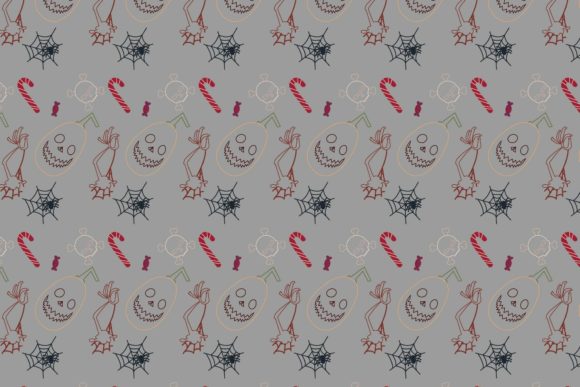
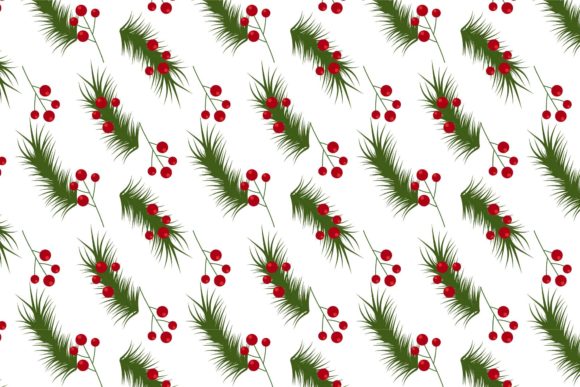
The initial look at Christmas Patterns Ornaments suggests a design that leans heavily into traditional festive aesthetics. The visual personality is warm and inviting, likely featuring classic shapes that evoke nostalgia. For an embroidery designer, the layout is crucial; does it feel balanced, or does it look like a collection of scattered elements? From what I observed, the composition feels cohesive, making it versatile enough for various applications without feeling cluttered. It creates a mood that is perfect for the season—cozy, celebratory, and distinctly holiday-oriented.
This kind of visual appeal is essential when you are building a brand identity for a small shop or creating personalized gifts. The design doesn't scream "mass-produced"; instead, it offers a handcrafted feel that customers appreciate. Whether you are looking to add a touch of seasonal flair to a tote bag or create a special keepsake for a family member, the aesthetic of Christmas Patterns Ornaments fits naturally into those narratives. It strikes a balance between detailed enough to be interesting and simple enough to remain legible after stitching.
Real-World Application: From Screen to Stitch
The true test of any machine embroidery design is its performance in real-life scenarios. I recently considered using Christmas Patterns Ornaments for a custom embroidered sweatshirt intended as a boutique holiday gift. The question was whether the design would hold up on a thick, textured knit fabric. Typically, designs with intricate details can get lost on heavy materials, while overly bold lines might look stiff on softer fabrics.
In this case, the structure of Christmas Patterns Ornaments appears robust enough to handle medium-weight cotton blends found in most sweatshirts and aprons. The fill stitches seem substantial enough to provide texture, which adds value to the finished product. Imagine placing this design on a high-quality canvas tote bag for a craft fair. The contrast against the natural fabric would be striking, immediately drawing attention from passersby. Similarly, for baby clothes, the design's likely soft edges and rounded shapes would work well on delicate knits, provided the stitch density isn't too aggressive.
I also envision this design being used for holiday embroidery on kitchen towels or pillow covers. These items benefit from designs that have a clear focal point and don't require excessive detail to convey their message. Christmas Patterns Ornaments seems ideal for these home decor items because it allows the fabric texture to show through slightly, enhancing the handmade presentation. For an Etsy seller, having a design that translates well across different product types—from apparel to home goods—is a massive advantage for inventory management.
Where Caution Is Required
While the potential uses are exciting, there are specific situations where Christmas Patterns Ornaments requires careful consideration. Not every design is suitable for every surface. If you plan to use this on a curved surface like a baseball cap, you must evaluate the distortion that occurs during the stitching process. Designs with sharp corners or very fine lines can sometimes blur or shift on curved panels.
Furthermore, if you are working with stretchy fabrics or thin materials, you need to be mindful of the stabilizer choice. Dense stitch areas in Christmas Patterns Ornaments could cause puckering if not supported correctly by a proper cutaway or tear-away stabilizer. Dark fabrics present another challenge; unless the thread colors chosen offer high contrast, the design might lose its definition. I always advise testing the design in black and white mockups before committing to expensive threads to ensure the silhouette remains clear regardless of color.
Small hoop sizes are another area to watch. If your project requires a tiny patch or a detail on a child's hat, check the dimensions carefully. Some elements within the pattern might become indistinguishable when scaled down too much. Additionally, products that will undergo frequent washing, such as daily wear apparel or kitchen linens, need designs with secure stitch structures to prevent unraveling over time.
Impact on Product Value and Brand Trust
In the competitive landscape of handmade products, the quality of the embroidery directly influences customer trust. A poorly digitized design can make even the most beautiful garment look cheap. Conversely, a well-executed design elevates the perceived value of the item. Christmas Patterns Ornaments, when stitched correctly, contributes to a professional finish that justifies a higher price point.
For commercial embroidery projects, consistency is key. Using a reliable design like this helps maintain brand consistency across your entire line of products. Whether it is a limited edition holiday collection or a standard offering in your shop, the design acts as a visual anchor that customers can recognize. This recognition builds engagement and loyalty, turning one-time buyers into repeat customers who appreciate the care put into the finished product.
Practical Notes for the Embroidery Designer
Before you rush to start stitching, there are several practical steps to take to ensure success. First and foremost, always test the design on scrap fabric that matches your final project material. This step reveals issues with tension, thread pull, or fabric distortion that you cannot see on a screen.
Review the stitch density carefully. High-density areas can lead to needle breakage or fabric damage if not managed properly. Ensure you are using the correct type of stabilizer for your fabric weight. If you are unsure about the file formats provided, verify that they include AI, EPS, SVG, JPG, and PNG files as described, and confirm that they are editable in your preferred software. This flexibility is vital for adjusting thread colors or resizing the design for different projects.
Don't forget to inspect small details under magnification. Tiny lettering or fine lines may require adjustment to ensure they remain visible after stitching. Finally, confirm the licensing terms before selling finished items. Understanding whether you have commercial rights to sell products made with Christmas Patterns Ornaments is critical for protecting your business. By following these guidelines, you can transform a digital file into a stunning, market-ready product that stands out in a crowded marketplace.