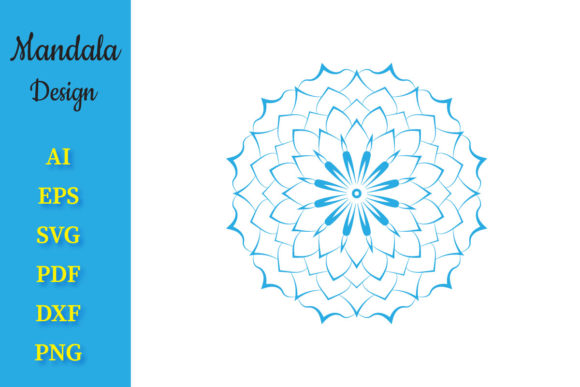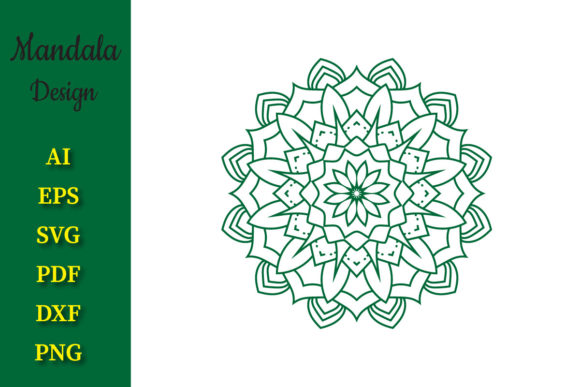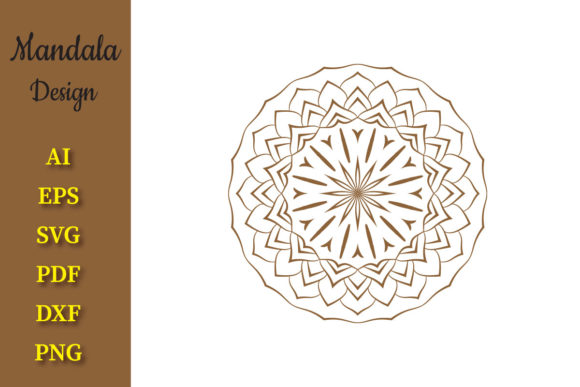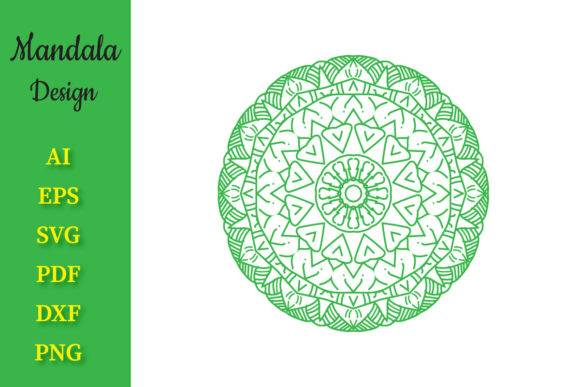
Mandala Design for Patterns Vol.40 Review
As a designer who has spent years navigating the intricate world of machine embroidery, I have learned that the difference between a good finished product and a great one often lies in the initial design choice. It is not just about how a pattern looks on a screen; it is about how it behaves when the needle hits the fabric. Recently, I had the opportunity to evaluate Mandala Design for Patterns Vol.40 with a specific goal in mind: determining its viability for a commercial small business project involving custom embroidered tote bags and boutique apparel.
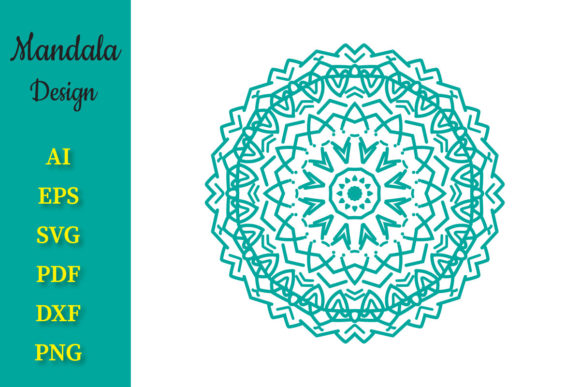
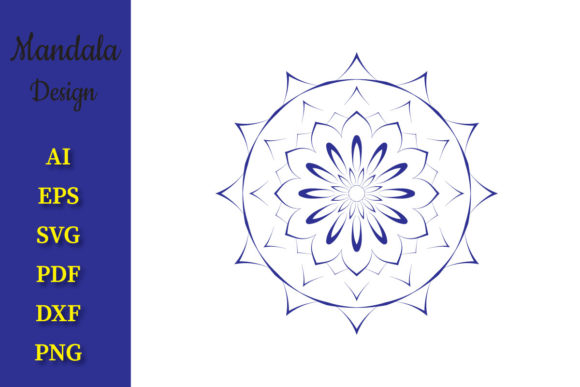
When I first opened the files included in this download, which are provided as Adobe Illustrator CS CC versions (Ai and EPS), my immediate impression was one of structural clarity. In the realm of Patterns and Graphics, many designs suffer from being too loose or lacking definition once they are converted into stitch data. Mandala Design for Patterns Vol.40, however, presents a cohesive visual personality. The layout feels balanced, creating a mood that is both meditative and structured. It does not scream for attention but rather invites the viewer to look closer, a quality that is essential for high-end handmade products where subtlety often equals sophistication.
To test this design's real-world potential, I imagined a scenario common among Etsy sellers and craft fair vendors: preparing a collection of personalized gifts for the holiday season. The plan was to use this mandala on a heavy-duty canvas tote bag intended for a local artisan market. The challenge here is twofold: ensuring the design holds up on a textured surface and making sure it translates well from a digital preview to a physical stitched item.
The versatility of Mandala Design for Patterns Vol.40 shines when considering different product categories. For a tote bag design, the symmetry of the mandala offers a focal point that anchors the entire piece. Unlike a scattered floral print, a mandala provides a clear center, which is crucial for embroidery projects where the eye needs a resting place. When applied to a sweatshirt embroidery or a baby onesie, the design's clean lines prevent it from getting lost in the fabric's nap or stretch. This makes it an excellent candidate for personalized gift items where clarity is paramount.
However, practical experience dictates that we must look beyond the beauty of the image. How does Mandala Design for Patterns Vol.40 perform under the pressure of actual stitching? The file formats provided—Ai and EPS—are standard industry tools, offering flexibility for resizing and color separation before converting to a stitch file. But remember, these are vector graphics, not native embroidery files. As a professional reviewer, I advise you to verify the stitch density and conversion settings carefully. If you are planning to use this for commercial embroidery, you will need to ensure that the pathing is optimized for your specific machine to avoid thread breaks or puckering.
In terms of visual appeal, this design elevates the perceived value of a handmade product. A well-executed mandala suggests craftsmanship and attention to detail. When a customer receives a custom apparel item featuring this pattern, it signals that the maker put thought into the aesthetic. This is particularly important for Etsy sellers and small shop product owners who rely on visual consistency to build brand trust. The design works beautifully for wedding gifts or holiday embroidery because its geometric nature feels timeless, avoiding trends that might date quickly.
There are, however, areas where caution is required. If you are working with a small hoop size, you must be mindful of the detail level. While the design is generally robust, extremely fine details can sometimes get lost if the scale is too small relative to the stitch count. Similarly, using this on textured fabrics like heavy denim or raw linen requires a sturdy stabilizer to prevent the fabric from distorting. On stretchy fabric, such as jersey knits used for baby embroidery, the tension must be perfectly calibrated to ensure the running stitch and fill stitch do not cause the garment to pucker around the edges.
I also considered the application on curved surfaces, such as caps or hats. While a mandala is naturally round and fits a circular curve well, the complexity of the layers needs to be evaluated. Dense stitch areas on a curved brim can lead to thread bunching if the hoop size is not appropriate for the curvature. For embroidered patches, this design would likely excel due to its defined borders, but you would need to ensure the edge finish is clean to maintain a professional look.
For those looking to create printable mockups or design assets for digital previews, the vector nature of the Ai and EPS files is a significant advantage. You can easily adjust colors to match your brand palette, testing how the thread colors interact with different backgrounds before committing to production. This allows you to simulate how the finished product will look on a dark fabric versus a light one, ensuring high contrast and visibility.
Practical advice for any embroidery designer or craft business owner considering Mandala Design for Patterns Vol.40 is to always conduct a test run. Stitch the design on scrap fabric first to check the stitch density and confirm that the applique design elements (if applicable) lay flat. Inspect small details closely; sometimes, what looks perfect on a monitor may require simplification for the machine to execute flawlessly. Additionally, review the licensing terms explicitly. Confirm whether you are allowed to sell finished items made with this design or if there are restrictions on digital embroidery file distribution.
The impact of using a well-chosen design like this extends beyond the physical object. It influences buyer engagement and recognition. A consistent use of high-quality patterns helps establish a brand identity. Whether you are decorating kitchen towels, creating nursery decor, or producing boutique branding materials, Mandala Design for Patterns Vol.40 offers a reliable foundation. It strikes a balance between artistic expression and technical feasibility, making it a strong addition to any creative entrepreneur's toolkit.
Ultimately, the success of an embroidery project relies on the synergy between the design, the materials, and the technique. Mandala Design for Patterns Vol.40 provides a solid starting point with its versatile structure and professional formatting. By approaching it with careful planning—checking stabilizers, testing on various fabrics, and respecting the limits of the machine—you can transform this digital asset into a tangible, high-value item that customers will cherish. For anyone looking to expand their inventory of small business merchandise or enhance their portfolio of creative projects, this design warrants serious consideration.