Mandala Design for Patterns Vol.49: A Graphic Designer's Review
As a digital product creator who has spent years navigating the ever-changing landscape of online marketplaces, I know that the difference between a listing that gets ignored and one that sells out often comes down to the quality of the design assets used. Recently, I stumbled upon Mandala Design for Patterns Vol.49, a collection that caught my eye while scouting for fresh content for my upcoming seasonal drop. The description promises a "100 Print ready file" with Adobe Illustrator compatibility, but as a seller, I care less about the specs and more about the potential. Can this asset truly be integrated into a profitable business model? After a deep dive into its visual personality and technical structure, here is my honest assessment for fellow Etsy sellers, print-on-demand entrepreneurs, and creative small business owners.
The First Impression: Mood and Market Fit
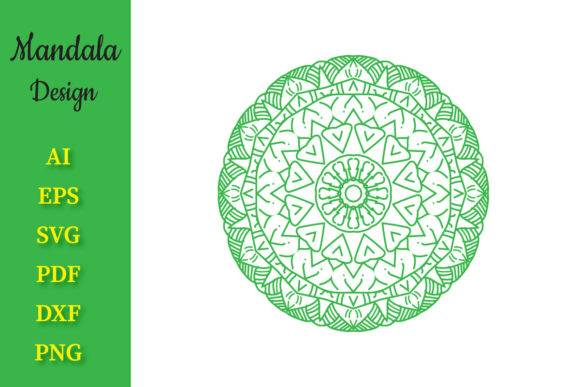
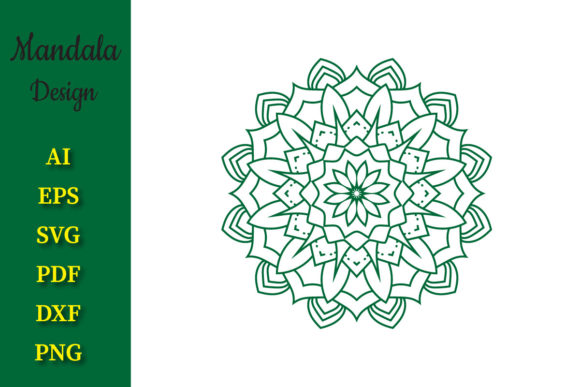
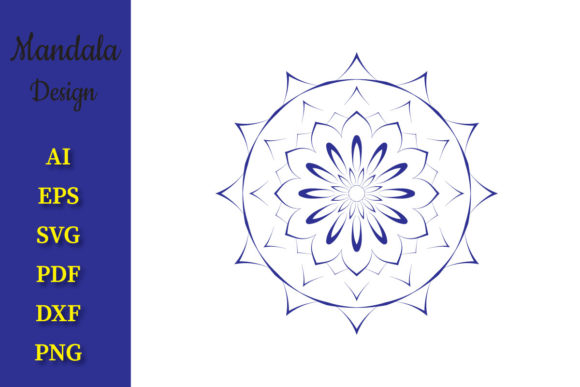
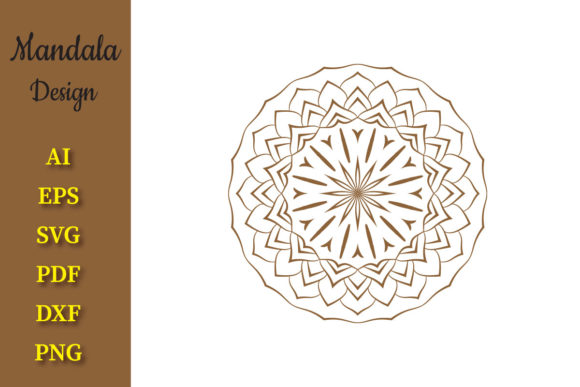
When you first open Mandala Design for Patterns Vol.49, the immediate feeling is one of structured elegance. Unlike chaotic or overly trendy graphics that might fade in popularity next month, this design possesses a timeless quality. It feels both modern and slightly rustic, striking a balance that appeals to a broad demographic. For those looking to build a brand identity around wellness, spirituality, or bohemian aesthetics, this graphic offers a strong foundation. It isn't just a random shape; it carries a specific energy that can elevate a simple t-shirt design into a statement piece.
The visual personality suggests a premium feel without being cluttered. This is crucial for commercial design. If your target audience consists of customers who value quality and detail, this asset delivers. It works exceptionally well for niches like yoga apparel, mindfulness journals, or artisanal home decor. However, if you are targeting a hyper-modern, neon-aesthetic crowd, you might find the mandala style too traditional. Understanding this niche appeal is the first step in deciding where to place this digital product.
Real-World Application: From File to Marketplace
I recently tested Mandala Design for Patterns Vol.49 by creating a mock collection for a hypothetical shop on Creative Fabrica and a parallel launch on a print-on-demand platform. The versatility of the file format—specifically the inclusion of AI and EPS versions compatible with Adobe Illustrator CS and CC—made the workflow seamless. Here is how I transformed this single asset into multiple revenue streams:
- SVG and Cut Files: Because the lines are clean, it serves as an excellent base for Cricut projects. I used it to create intricate vinyl decals for tumblers and laptop skins. The vector nature ensures that even when scaled up for large-format printing, the edges remain sharp.
- PNG Sublimation Designs: I exported high-resolution PNGs to use on mugs and tote bags. The transparency held up perfectly, allowing for crisp layering over colorful backgrounds.
- Printable Wall Art: By arranging multiple instances of the pattern, I created a cohesive set of printable nursery prints. The symmetry of the mandala creates a calming effect that parents love for children's rooms.
- Digital Planner Stickers: Smaller iterations of the design were perfect for digital planner bundles. When resized correctly, the details remain visible, making them ideal for sticker design kits.
- Canva Templates: I imported the vector data into Canva to build invitation templates and social media graphics. The ability to edit colors within the vector file allowed me to quickly adapt the design for different holidays and events.
This approach demonstrates why having a robust graphic design asset is vital. Instead of buying ten different clipart files, one high-quality vector like Mandala Design for Patterns Vol.49 allows you to generate dozens of unique products, maximizing your return on investment.
Optimizing Product Presentation and Visual Hierarchy
In the world of online selling, the image is everything. A great product mockup can double your click-through rate. When I prepared the listing images for this collection, I focused on visual storytelling. Using Mandala Design for Patterns Vol.49 as the central element, I placed it on various textures—linen, wood, and marble—to show how it translates to real life.
The design's complexity makes it perfect for large product previews. On a thumbnail, a busy pattern might look muddy, but this mandala has enough negative space to breathe. I used it to create a series of thumbnails where the design was isolated against a soft pastel background, ensuring high contrast and immediate readability. For larger banner ads, I utilized the pattern to fill the background, adding a text overlay with a bold sans-serif font to create a strong visual hierarchy.
Furthermore, bundling this asset with complementary elements helped increase perceived value. I paired the mandala with script fonts for quotes and solid color blocks to create a cohesive "Wellness Bundle." This strategy not only justifies a higher price point but also encourages customers to buy more than they initially intended.
Strategic Limitations and Risks to Consider
No asset is perfect, and as a seasoned seller, I must highlight where Mandala Design for Patterns Vol.49 might struggle. While it excels in decorative layouts and large prints, it requires careful handling in specific scenarios.
First, avoid using this for tiny sticker details. The intricate inner patterns of the mandala can become indistinguishable when printed at very small sizes, leading to a loss of definition. Similarly, for Cricut projects involving extremely fine cuts, you may need to simplify the paths or adjust the cut settings to prevent material tearing. If your project relies on clean, minimalist cutting lines, the density of this design might be overwhelming.
Additionally, be cautious with dark backgrounds. While the design looks stunning on white or light paper, placing it on a black background without a border or outline can cause it to disappear. Always test your print-on-demand proofs on different colorways before going live. Finally, ensure you have a commercial license. Just because a file is downloadable does not automatically grant you the right to resell finished physical goods. Always verify the terms of service for your specific marketplace.
Practical Seller Notes for Success
To get the most out of this digital download, I recommend a rigorous testing phase. Before publishing any listings, run the following checks:
- Mockup Testing: Preview the design on actual product photos. Does it look good on a navy blue mug? How does it appear on a beige tote bag?
- Resolution Check: Verify the DPI of your PNG exports. For sublimation, 300 DPI is non-negotiable to avoid pixelation.
- Font Pairing: Experiment with different typography. A serif font adds a classic touch, while a handwritten font brings a personal, handmade feel. Test these combinations to see what resonates with your brand voice.
- File Organization: Organize your source files clearly. Customers appreciate receiving a folder structure that includes both the editable AI/EPS files and ready-to-use PNGs.
- Licensing Verification: Double-check that your commercial license covers the specific platforms you intend to sell on, such as Etsy, Shopify, or Redbubble.
In conclusion, Mandala Design for Patterns Vol.49 is a versatile tool for any creative entrepreneur looking to expand their catalog. Its blend of elegance and utility makes it suitable for everything from greeting cards to full-scale merchandise lines. By treating it as a core component of your small business branding rather than just a quick fix, you can create professional-looking collections that stand out in crowded marketplaces. Whether you are a veteran designer or just starting your journey in the creative marketplace, this asset proves that investing in high-quality design assets pays dividends in sales and customer trust.